

Gi vs No-Gi Jiu-Jitsu: Understanding the Two Training Styles
Walk into any Brazilian Jiu-Jitsu academy and you will notice two kinds of classes on the schedule. The question of gi vs no-gi jiu-jitsu is one of the first things new students in Peabody ask about, and the answer shapes how they train.
Both styles share the same principles of leverage, position, and control. At Gracie Barra Peabody, our jiu-jitsu programs in Peabody include both gi and No-Gi classes, so knowing the differences helps you plan your weekly training with more confidence.
DISCOVER GRACIE BARRA PEABODY
CLICK HEREHow the Uniform Changes the Game
The biggest difference between the two styles is what you wear. That single variable changes grips, pace, and even which techniques work best, so it helps to look at each element separately.
Grips and Control Points
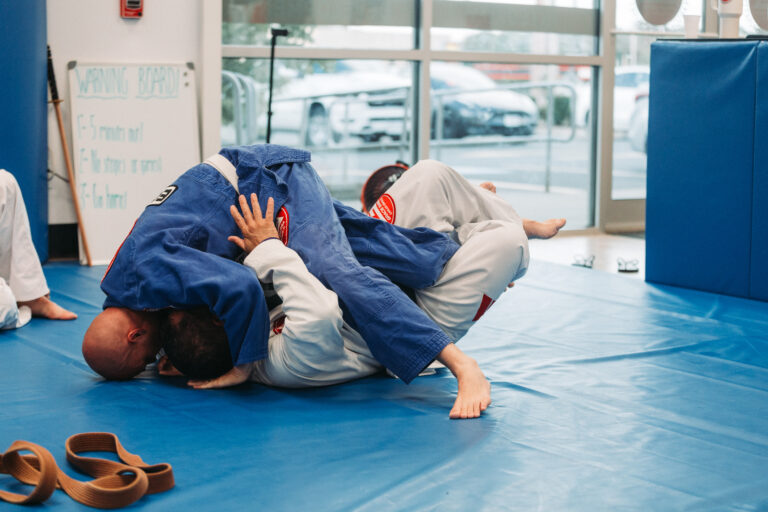
In the gi, the jacket and pants give you handles. Collar grips, sleeve grips, and pant grips let you slow an opponent down, break their posture, and set up sweeps with a high level of precision.
Without the uniform, control comes from the body itself. Students rely on underhooks, overhooks, wrist control, and collar ties. Anyone focused on preparing for BJJ competition benefits from training both, since each format sharpens different control habits.
Pace and Friction
Fabric creates friction, and friction slows everything down. A gi round tends to be more methodical, with longer exchanges built around grip fighting and careful position changes from one moment to the next.
No-Gi training moves faster. Sweat makes escapes easier, scrambles happen more often, and holding a top position demands tighter body connection. That quicker rhythm adds a strong conditioning element that supports weight loss through jiu-jitsu training.
Submission Options
The gi opens a large library of lapel and collar chokes, such as the cross collar choke and the bow and arrow choke. The fabric can also be used to trap arms and create new attacking angles.
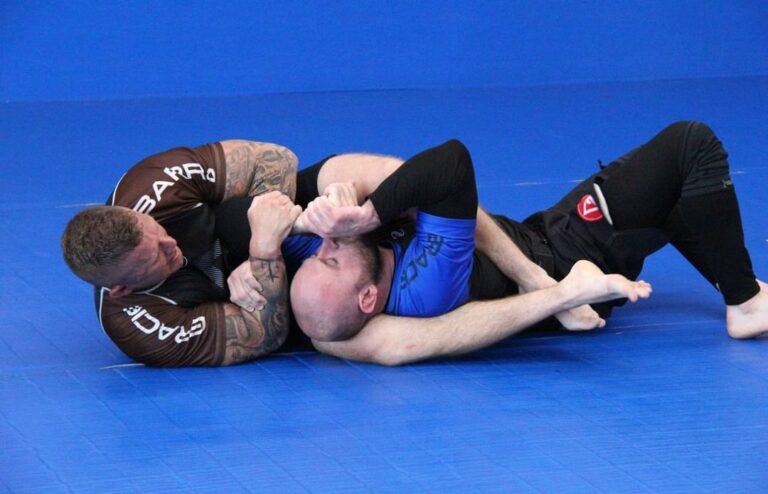
In No-Gi, the guillotine, arm triangle, and rear naked choke take center stage. Leg locks also appear more often, although the rules on certain leg attacks vary by event and by belt level.
Training Attire and Hygiene
Gi classes require a jacket, pants, and a belt that shows your rank. No-Gi students usually wear a rash guard with shorts or spats, which feels lighter and dries faster after a hard session.
Regardless of format, clean gear matters. Wash your uniform or rash guard after every class, keep your nails trimmed, and wear sandals off the mat. These habits protect you and every training partner.
What Each Style Teaches You
Beyond the practical differences, each format develops specific skills. Understanding them helps you decide where to focus your time and how to combine both styles in a balanced routine.
Technical Detail in the Gi
Gi training forces you to deal with an opponent who can hold you in place. That pressure teaches patience, defensive awareness, and precise technique, because strength alone rarely breaks a solid grip.
This is one reason the gi remains central to rank progression in traditional academies. If you want to know how promotions are earned, our guide to the jiu-jitsu belt system explains each stage clearly.
Speed and Adaptability in No-Gi
No-Gi rewards quick transitions and good body positioning. With fewer grips available, students learn to anticipate movement, react to scrambles, and finish positions before the opportunity slips away.
The Gracie Barra No-Gi program emphasizes techniques that apply to MMA and self-defense, where opponents rarely wear a uniform. That carryover makes No-Gi a valuable complement to traditional gi training.
Mental Benefits Shared by Both
Whether you wear a gi or a rash guard, every round asks you to stay calm under pressure. Learning to breathe and think while someone controls your position builds real mental resilience over time.
Many adults find that this focus carries over into work and family life. Both formats deliver the stress relief and confidence of adult BJJ, so your choice depends more on your personal goals.
Choosing the Right Format for Your Goals
There is no single correct answer when comparing gi vs no-gi jiu-jitsu. Your goals, schedule, and preferences all play a role, and many students eventually train both formats on a regular basis.
If You Are a Complete Beginner
Many instructors suggest starting with the gi because it slows the game down and makes details easier to study. A slower pace gives your body time to learn basic positions, escapes, and defensive posture.
That said, beginners can also start in No-Gi successfully. A fundamentals class with clear instruction matters more than the uniform, so focus first on building a strong technical foundation.
If Self-Defense Is Your Priority
Most real confrontations happen in everyday clothing, which may or may not give you something to grip. Training both formats prepares you for different situations, from heavy winter jackets to summer t-shirts.
No-Gi teaches you to control an opponent without relying on fabric, while the gi shows how clothing can be used for control and chokes. Together, they create a more complete self-defense skill set.
If You Want to Compete
Tournaments usually offer separate gi and No-Gi divisions, each with its own rules and scoring. Always check the ruleset of the event you plan to enter before building your preparation around it.
Competing in both divisions exposes you to different opponents and strategies. Talk with your instructor about which format fits your current level, and adjust your training volume to avoid overloading your body.
Practical Tips for Training Both Styles
When students weigh gi vs no-gi jiu-jitsu, a balanced approach often works best: anchor the week with gi classes and add one or two No-Gi sessions. This keeps technical detail sharp while building speed and adaptability.
At Gracie Barra Peabody, the program lineup includes Fundamentals, Advanced, No-Gi, Women's, and Kids classes, plus private lessons for focused work. You can also explore our Brazilian Jiu-Jitsu training guides to plan your next steps.

Bringing Gi and No-Gi Together
The gi builds precision and patience, while No-Gi develops speed and adaptability. Each format fills gaps the other one leaves, and combining them produces a well-rounded grappler over the long run.
The key is showing up regularly and giving your body time to adapt. A realistic plan for staying consistent with jiu-jitsu training matters far more than choosing the perfect uniform on day one.

DISCOVER GRACIE BARRA PEABODY
CLICK HEREFind Your Style on the Mats
Understanding gi vs no-gi jiu-jitsu helps you train with purpose instead of guesswork. Both formats share the same core principles, and each one offers valuable lessons for students of every level in Peabody.
Whether you live nearby or drive in from Lynnfield, Danvers, Middleton, or Wakefield, Gracie Barra Peabody welcomes new students to experience both styles. Visit the academy, try a class, and see which format fits you best.